 日本語
日本語 中文
中文 Deutsch
 Español
Robotic Soldering | Advanced Automated Soldering System
What is Robotic Soldering?
Robotic soldering is an automated solution that replaces manual soldering with programmed motion and precise thermal control. It delivers repeatable joints, stable wetting, and consistent quality in automotive, industrial, medical, and other high-reliability electronics production.
Robotic Soldering Process
Robotic Soldering Process
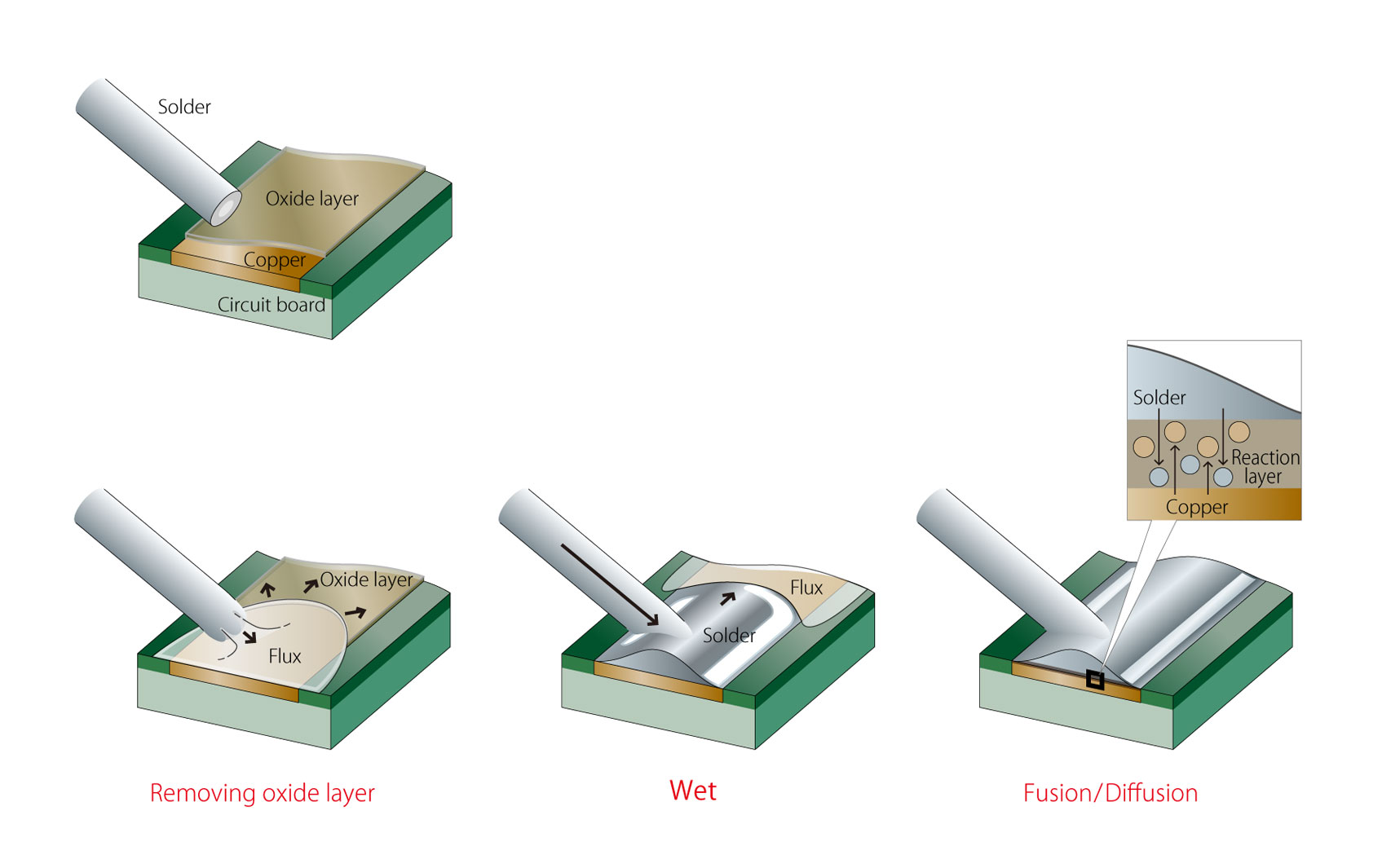
Tip soldering typically follows a repeatable workflow: preheating the joint area, supplying solder while applying heat, shaping the fillet with controlled post-heating, and allowing cooling/solidification. A robotic soldering system automates each step with consistent timing and motion, helping maintain stable wetting and reliable joint formation across applications.

Introduction of Automated Soldering Methods
Steve, a “virtual” employee of Japan Unix, explains the methods of automated soldering process!
This is a must for beginners in automation!
Steve will explain the features of soldering methods and how to use them.
Advantages of Robotic Soldering
Consistent Quality with Repeatable Motion
A robot repeats the same path, contact, and timing every cycle, reducing operator-dependent variation. This stabilizes wetting and fillet formation and helps improve yield, especially when soldering quality must be consistent across lines, shifts, and sites.
Handles Lead-Free and High Heat Dissipation Work
Lead-free soldering and high thermal mass parts often require strict thermal control. Robotic tip soldering can standardize contact time, tip temperature, and solder feed to reduce insufficient wetting and overheating—supporting stable production on difficult workpieces.
Scalable from Single Station to Line Automation
You can start with a compact soldering station for targeted processes and expand to a full soldering machine line as demand grows. Modular options—vision, feeders, safety covers, conveyors—allow stepwise automation without losing process consistency.
Process Know-How Embedded in Hardware
Japan Unix systems are designed around soldering theory and field experience. Tooling, motion control, and option packages reflect proven countermeasures for common defects, enabling faster setup and more robust operation compared with “generic” robots.
JAPAN UNIX Soldering Automation Solutions
Top in Variety of Automated Soldering Products
Japan Unix offers a unique lineup of automated soldering robots to support practical production requirements such as lead-free soldering, heat dissipation management, and high-density PCBs. By combining motion control and soldering know-how, the system helps standardize outcomes even for complex workpieces and long-run operation.
Flexible Configuration: Robot, Unit, or Integration
Japan Unix provides multiple paths to automation—from a single soldering unit added to your existing equipment, to a dedicated robot cell, to full system integration including safety covers and conveyors. This allows you to scale from a simple station to a complete automated soldering machine line.
Robots for Soldering Automation
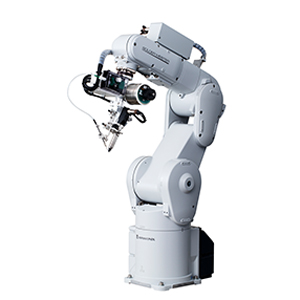
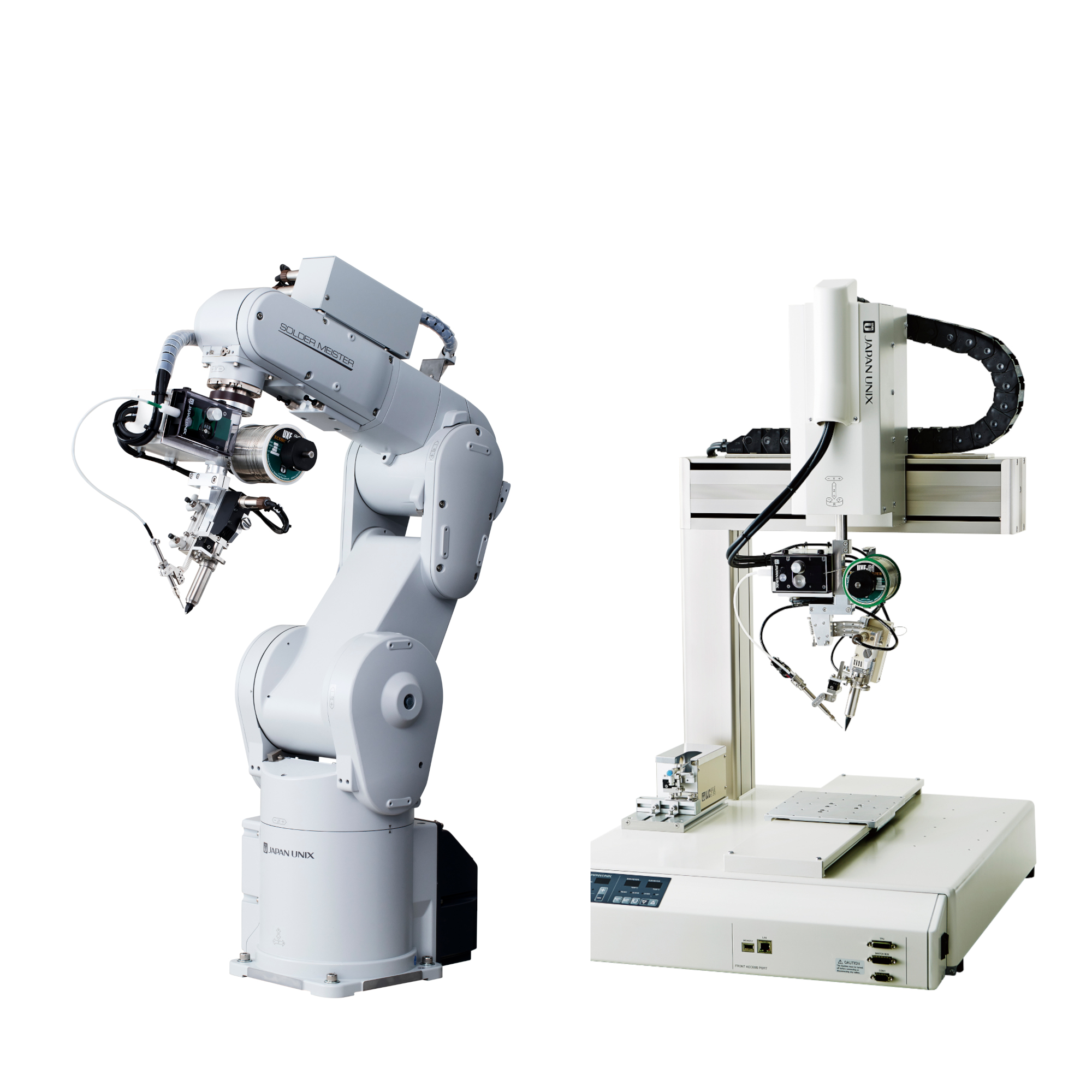
Multiple-joint Soldering Robot
The highest-end model for full automated soldering line. It can provide high-quality work on the most difficult workpieces.
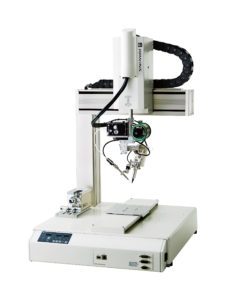
Desktop Type Soldering Robot
Versatile desktop type. Once programmed, it can consistently perform with the same quality as a skilled operator by simply pressing the start button.
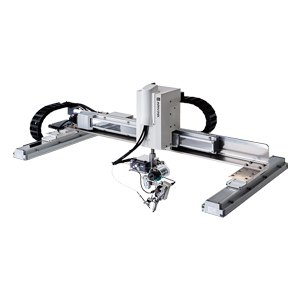
Gantry Type Soldering Robot
Gantry type robot is optimized for in-line automation that is as easy to use as a desktop type.
Choice of Automated Soldering Installations
Japan Unix provides automated soldering solutions based on original theory and experience. Our robots and systems solve challenges like lead-free soldering, heat dissipation, and high-density PCBs—scalable from a compact station to a full soldering machine line.
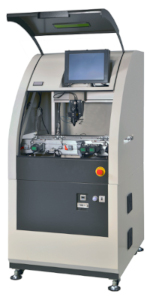
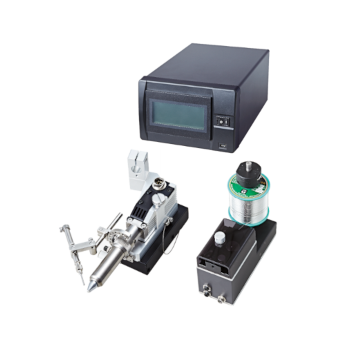
Additional Options for Soldering Automation
By combining additional functions, higher quality, more accurate soldering and shorter cycle time can be achieved.
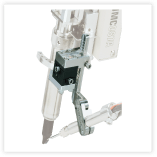
Lock-on Mechanism
Prevents misalignment of solder feeding position, which tends to occur
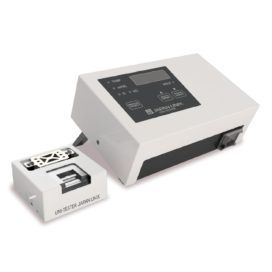
UniTester
Automatic temperature measurement and calibration system
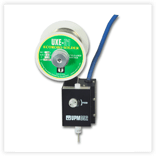
High Precision Feeder
For ultra-fine soldering.
Minimum diameter φ0.15 mm and above
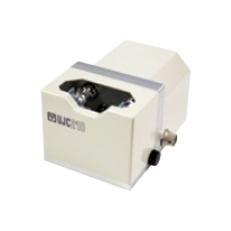
Brush Cleaner
Removes hard carbides to extend tip life
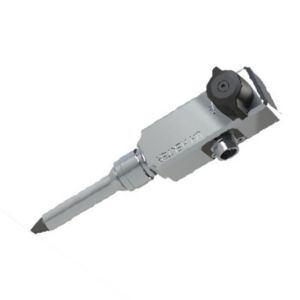
UH Heater
300W high peak output with energy-saving performance