 日本語
日本語 中文
中文 Deutsch
 Español
UNIX-DF | Automated Soldering Station (Desktop Robot)
SOLDER MEISTER
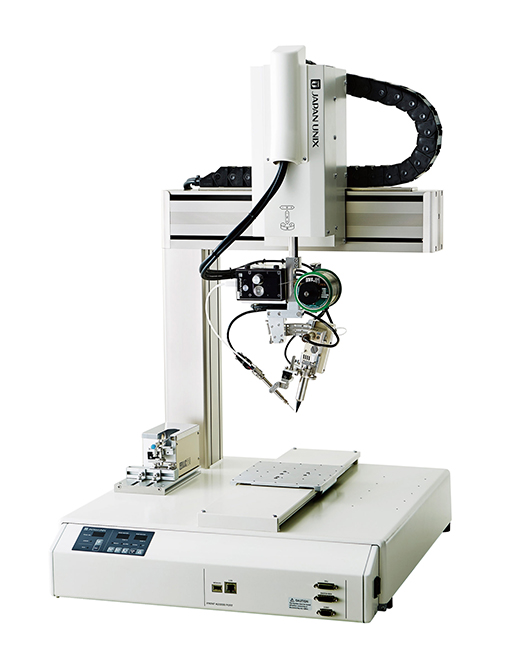
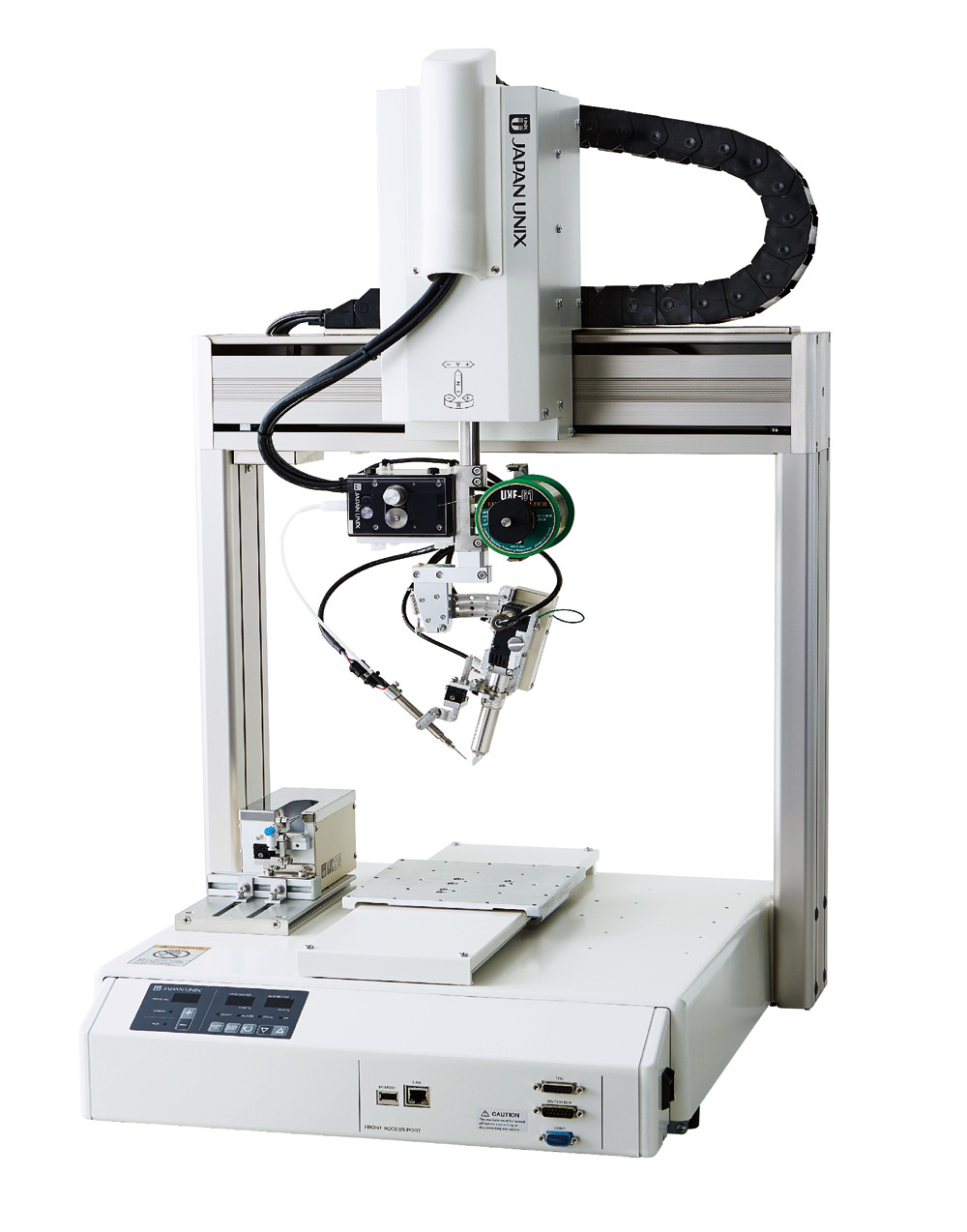
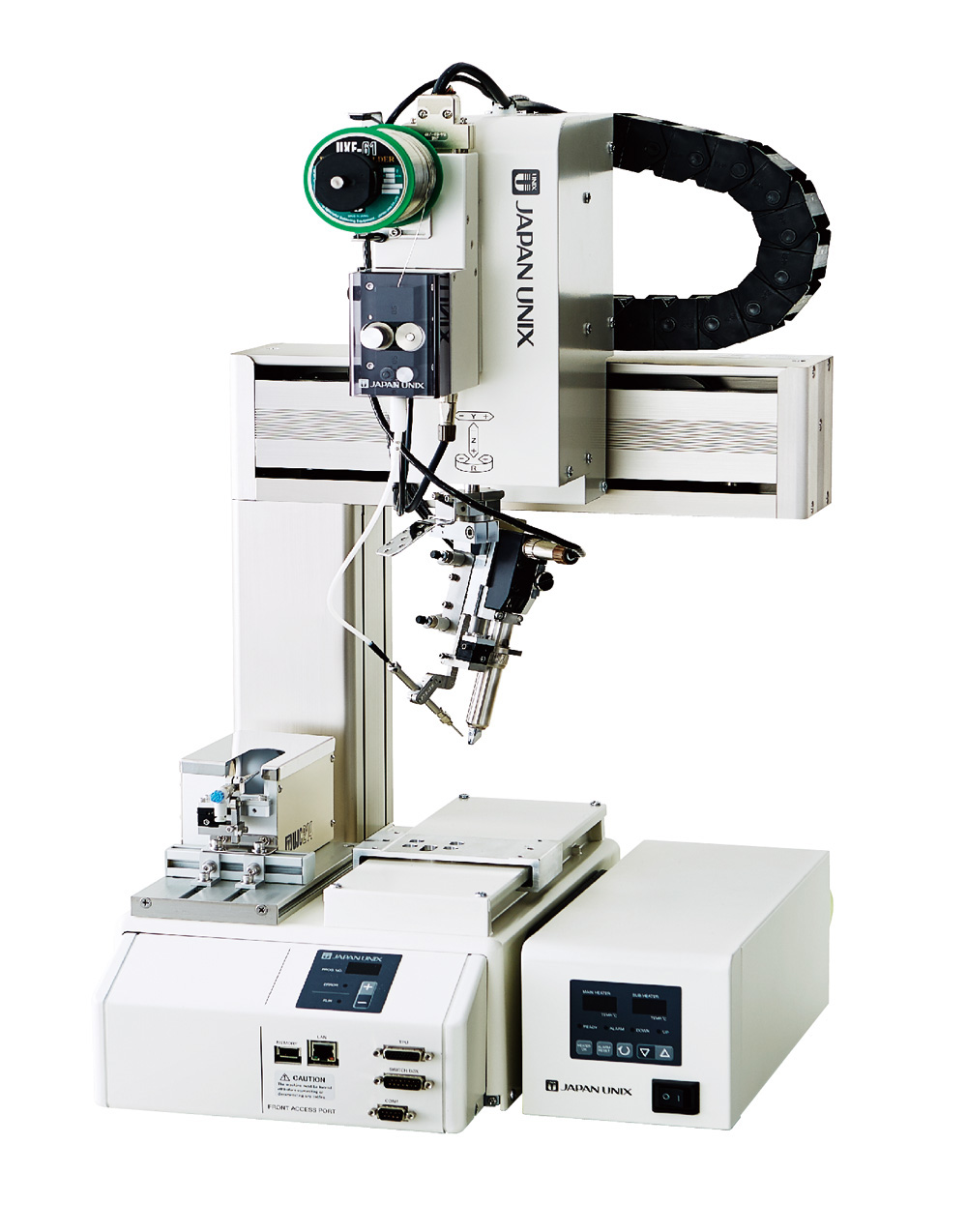
The new generation desktop soldering robot for Industry 4.0 and IoT.
UNIX-DF Series have improved its network function and robotic motion.
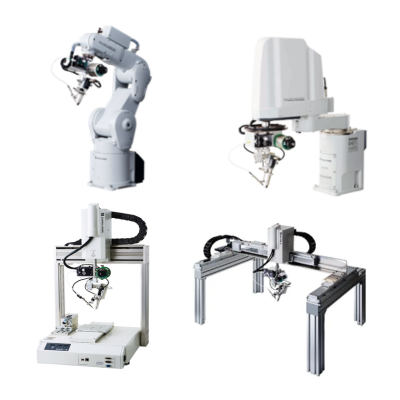
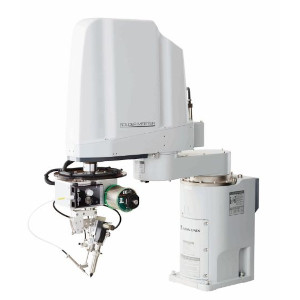
Desktop soldering robots enable a compact, repeatable automated soldering station—delivering stable quality by simply executing programmed operations.
Three types are available according to PCB size. They support network connectivity to visualize each soldering process and results. Optional additional axes enable penetration angles or PCB rotation, making difficult components feasible for automated soldering.
DF Series Line-up

Compact type
- Working area: 200mm × 210mm
- New and improved heater
- LAN (Ethernet), COM port
- X,Y axis: 600mm/sec
- Z axis: 250mm/sec
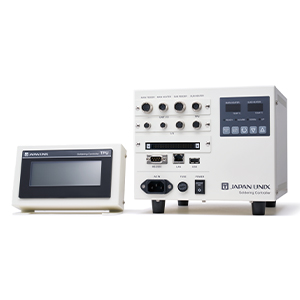
- Separated soldering controller

Middle type
- Working area: 300mm × 275mm
- New and improved heater
- LAN (Ethernet), COM port
- X,Y axis: 900mm/sec
- Z axis: 400mm/sec
- Built-in soldering controller
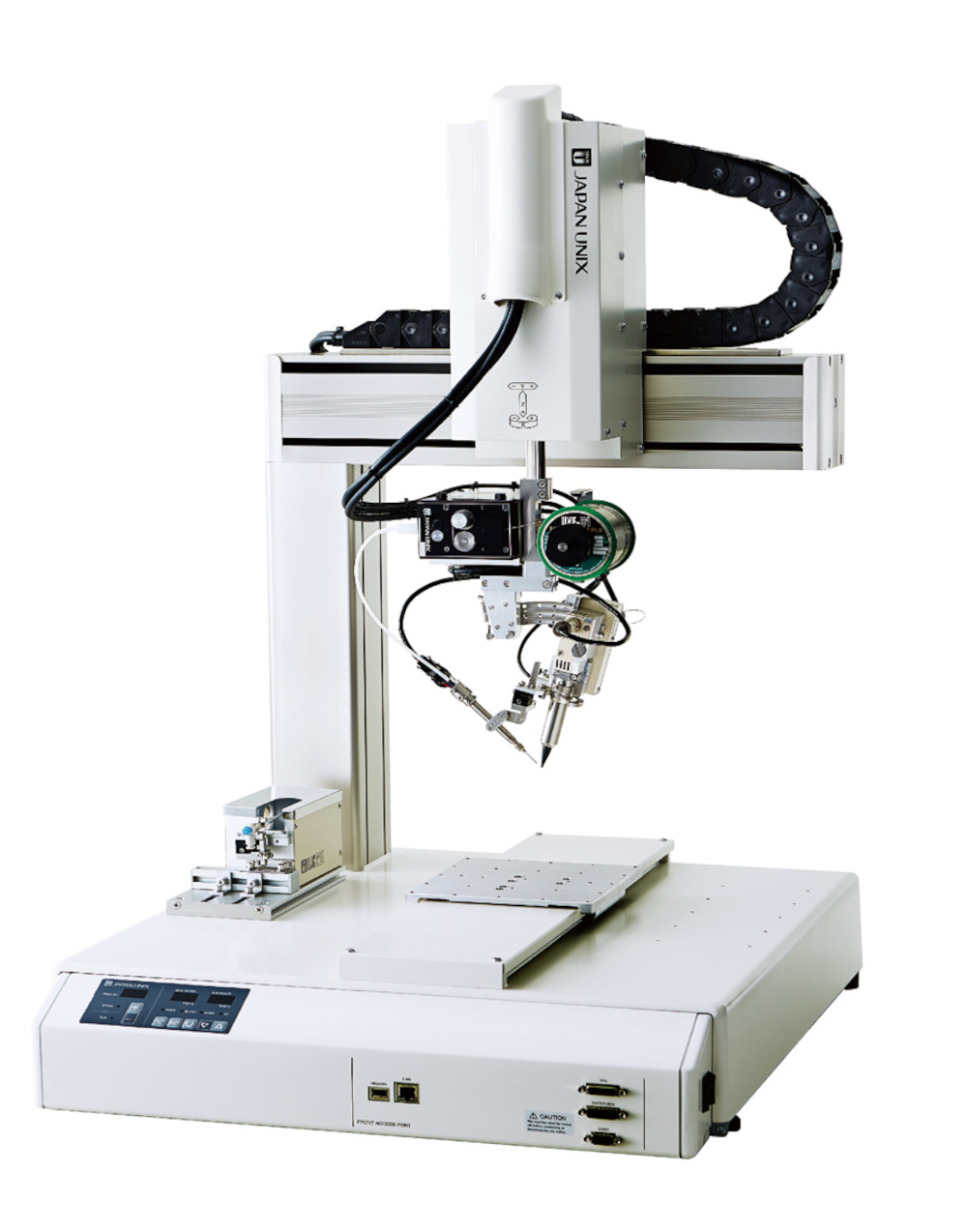
Wide type
- Working area: 400mm × 365mm
- Supports M-size PCBs
- New and improved heater
- LAN (Ethernet), COM port
- X,Y axis: 900mm/sec
- Z axis: 400mm/sec
- Built-in soldering controller
- Realizes a compact automated soldering station by employing the Robotic Desktop Soldering method.
- New heater improves heating and soldering mechanism.
- Productivity is improved by increasing rigidity and process speed.
- Connect with network and visualize soldering operation process in real time.
- Two additional axes enable complex PCB and component soldering.
- Fully compatible with laser soldering system.
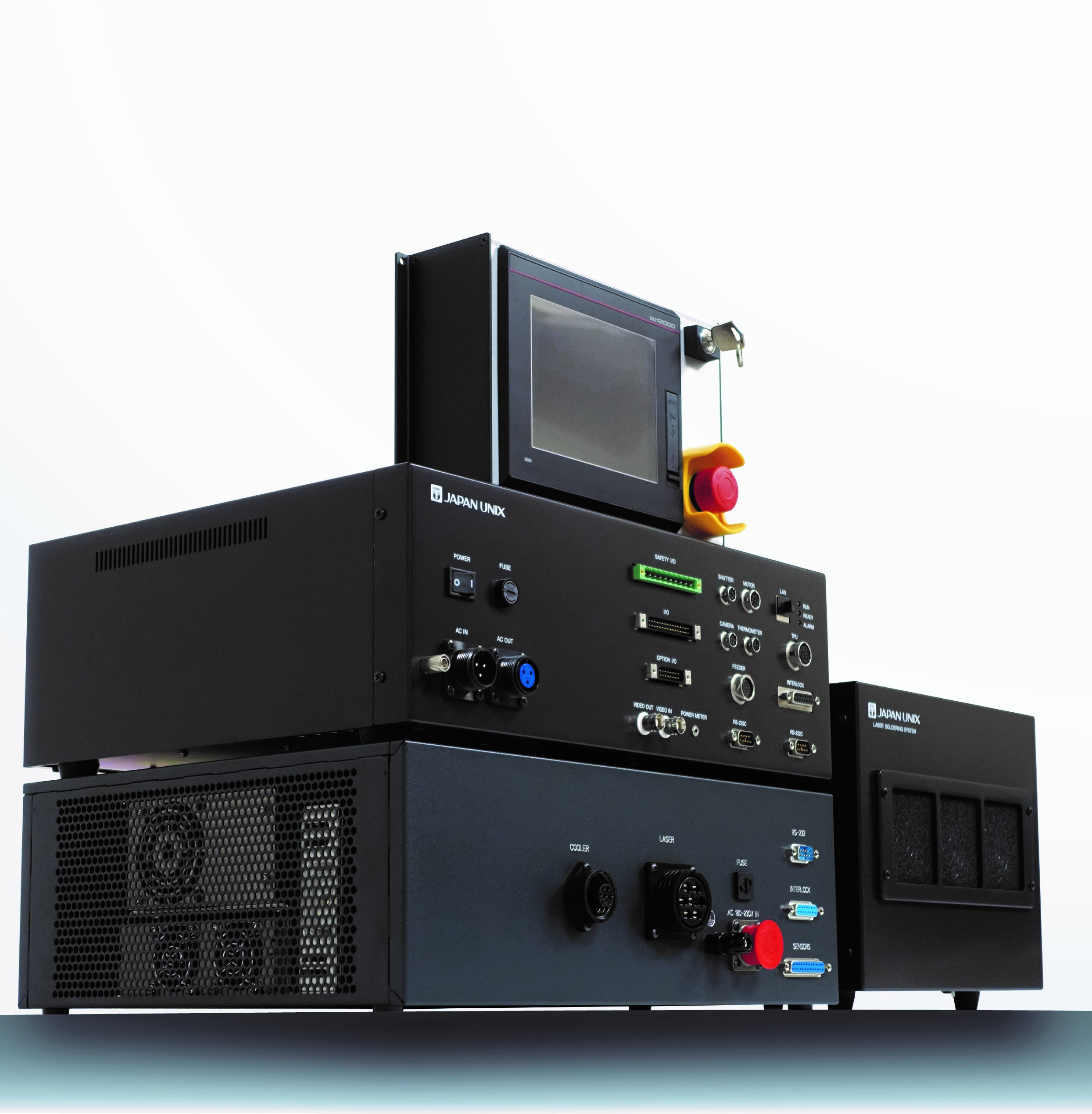
Laser Soldering Robot
DF platform can also be configured as a laser-ready automated soldering station by integrating laser unit options for production cells.
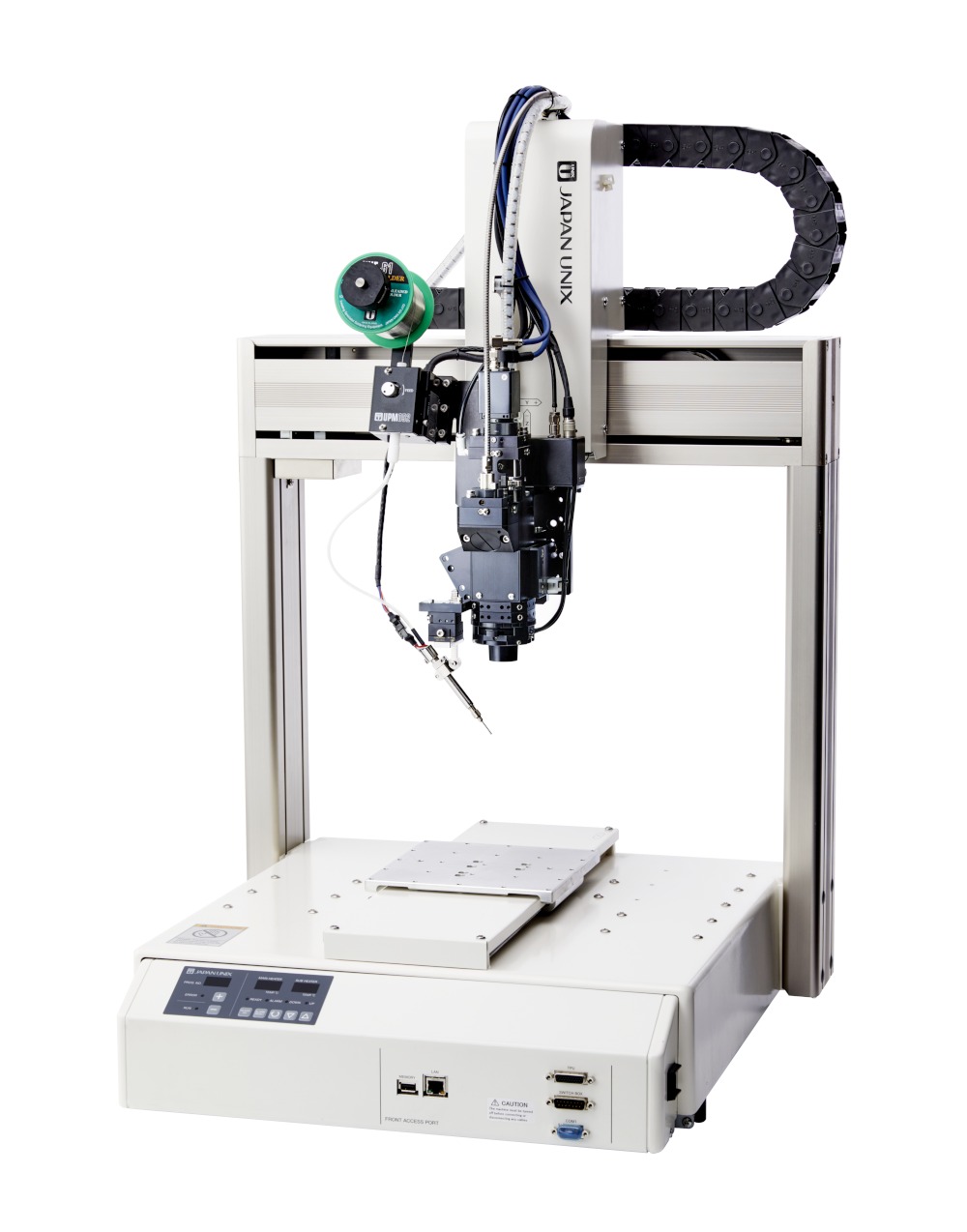
*UNIX-DF203L and UNIX-DF403L are also available.
Desktop footprint and familiar DF operability remain the same, while enabling laser soldering integration for non-contact, repeatable heat input.
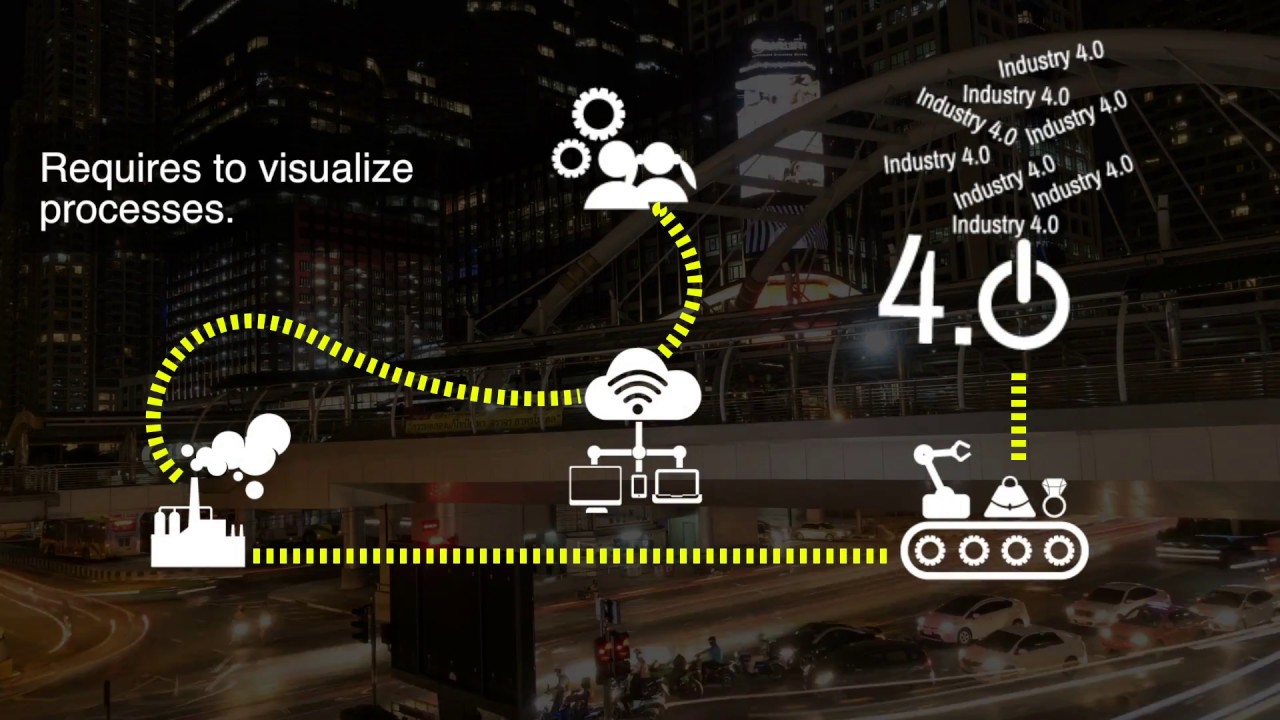
1. Improved network functions for industry 4.0 OPTION
Connecting to factory network and making operation visible in real time.
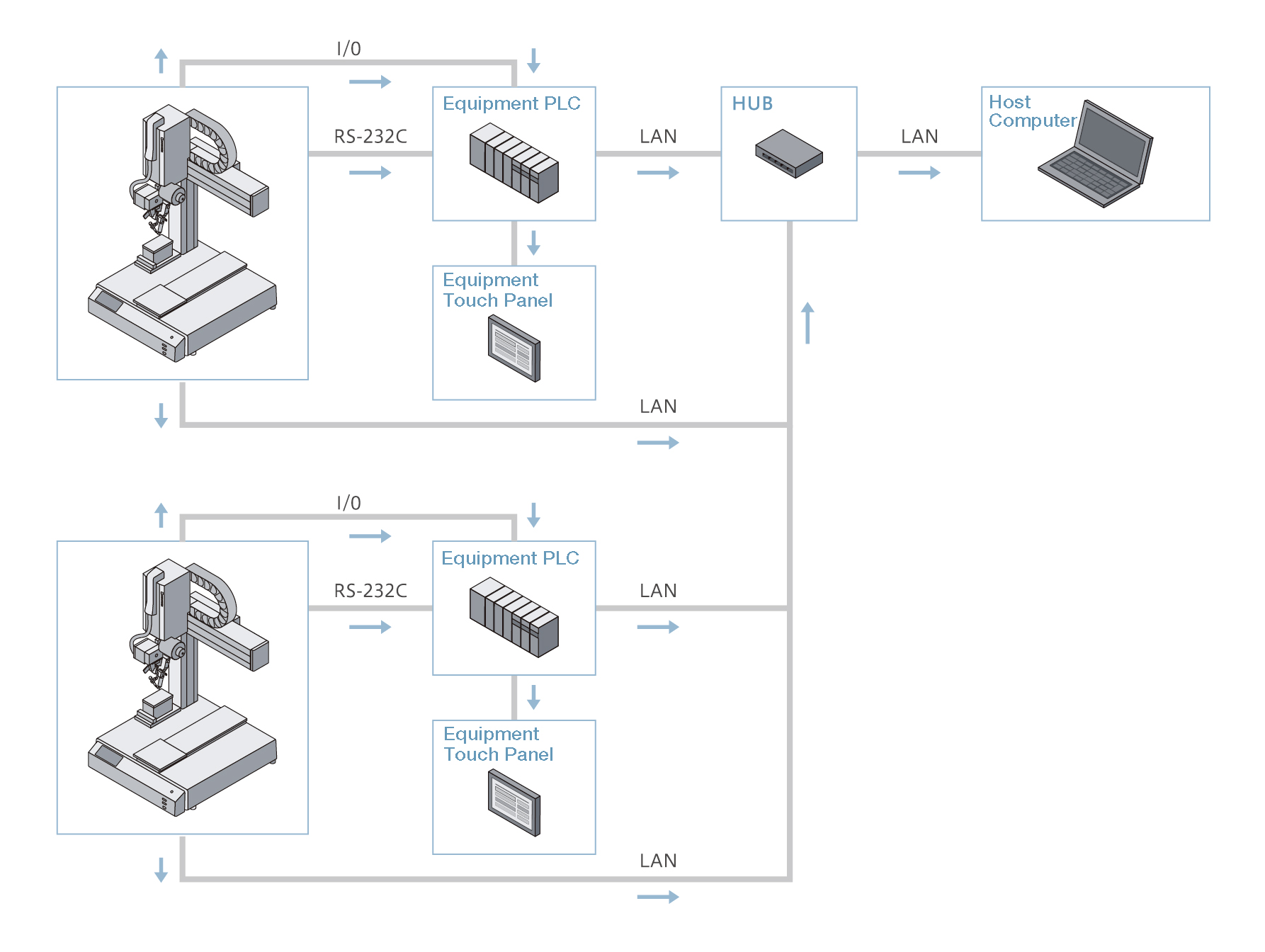
- The relationship between factory network and DF series.
PLC, LAN and hubs are as provided by customers.
- Supporting data export and external process control via LAN or COM port.
- Monitoring software can remotely monitor operation status.
- Real-time monitoring (temperature graph, operation status, errors) helps prevent defects.
- Robots can be controlled by PLC with control commands.
2. 3D soldering and MID (molded interconnect device)
Two additional axes enable complex PCB soldering easy and flexible.
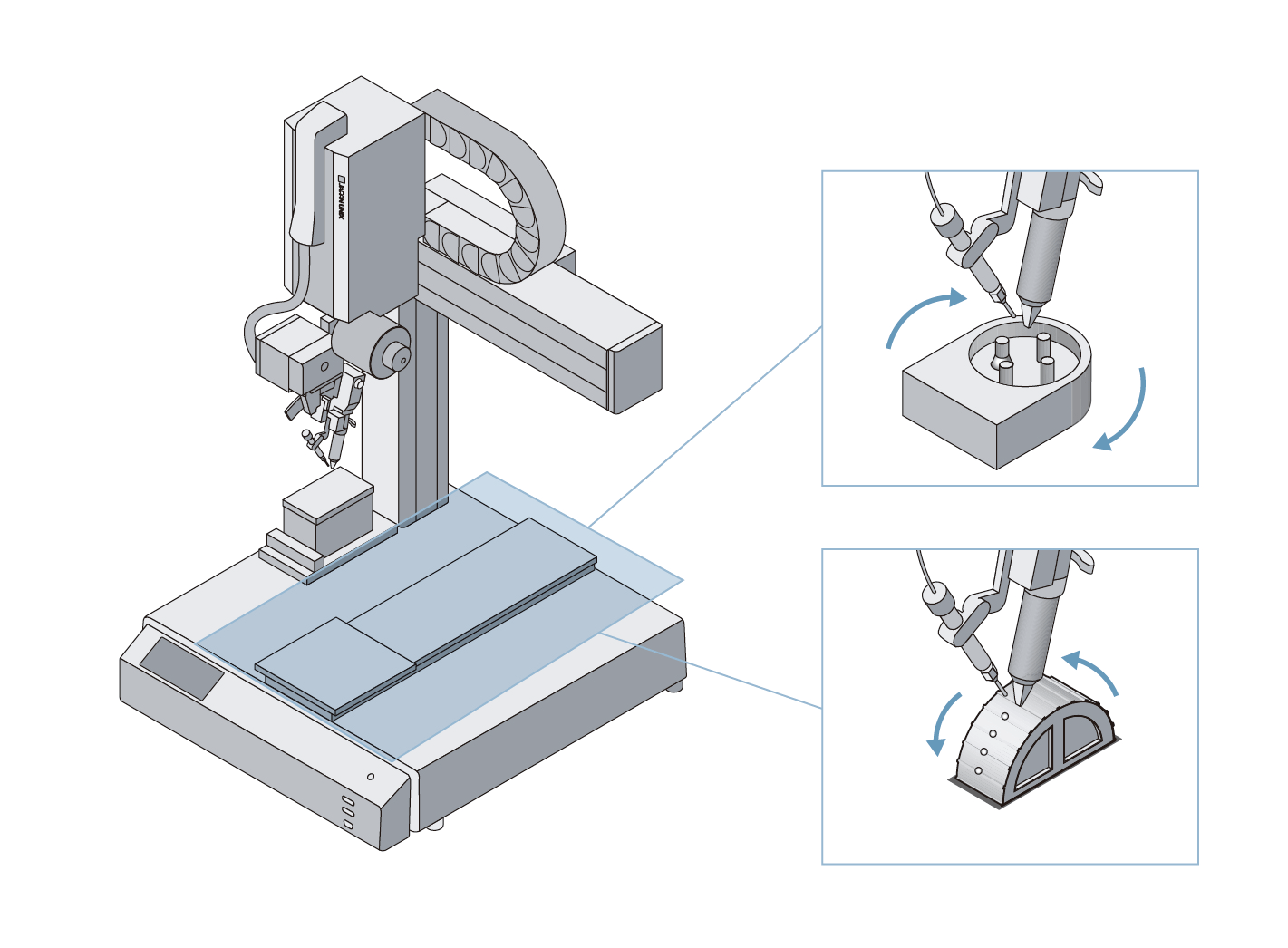
- Two axes can be added to the work area.
- Up to two axes can be added (up to six axes total).
- External devices can be controlled together with the robot batch operation.
- Supports various motions: component rotation, PCB reversal, head angles, cylindrical rotation, cable suppression, etc.
- Space-saving and easy to set up.
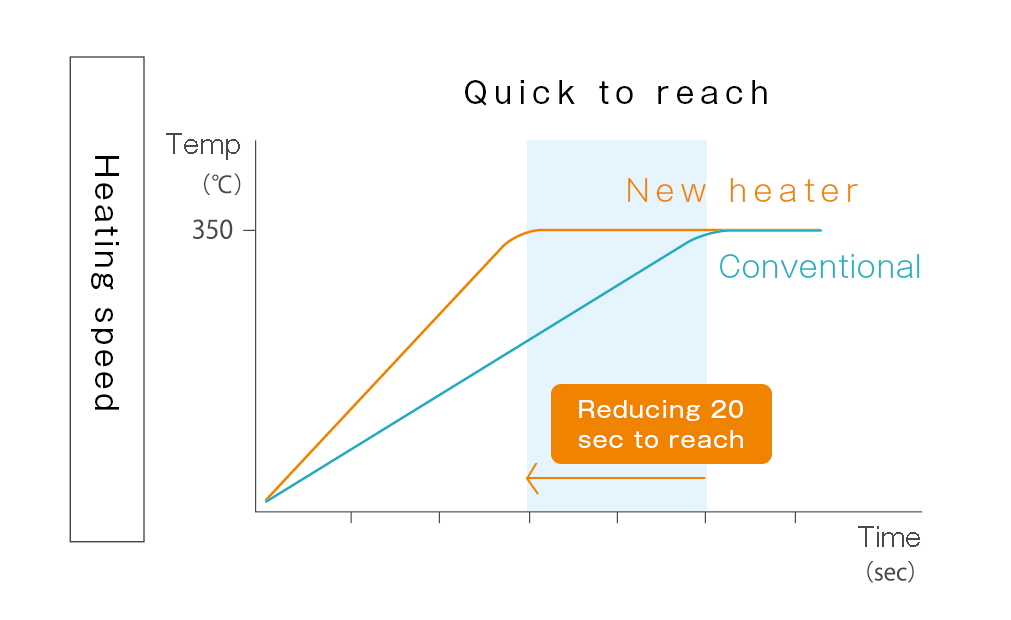
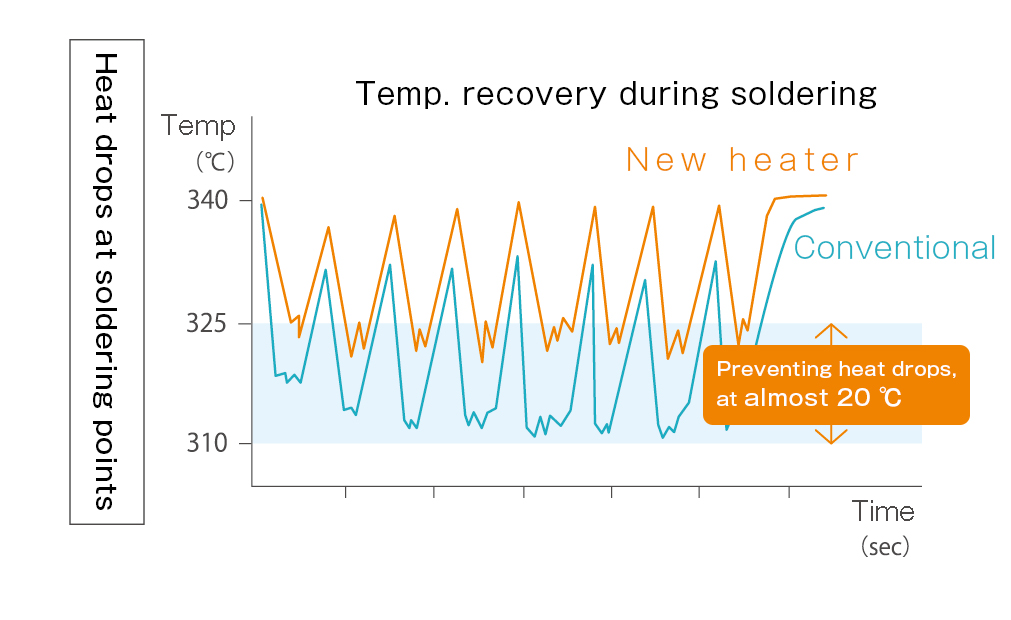
3. The new heater highly improves productivity.
Higher accuracy and improved temperature characteristics.
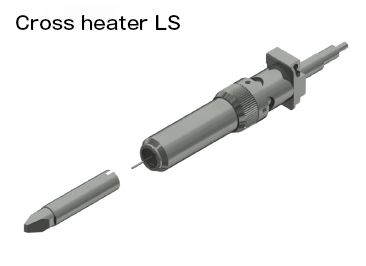
- More accurate temperature measurement by placing the heat sensor at the tip end.
- Quick temperature recovery achieves higher operational efficiency.
- Heater and tip are separated; replace individually.
- Poka-yoke function prevents installation mistakes of soldering tip and direction.
Easy to change program selection on the switch box
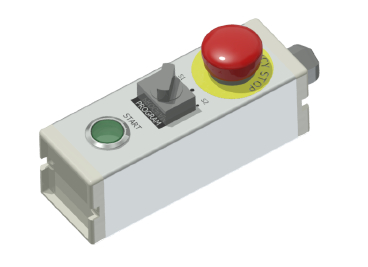
- The center switch can quickly change programs.
- One touch selector on the switch box
- Arbitrary programs are simply selectable and executed (2ch)
4. For Industry 4.0. Data management of each soldering process
By connecting DF monitoring software, soldering processes (temperature, program execution, errors) are visualized and converted into numerical data.
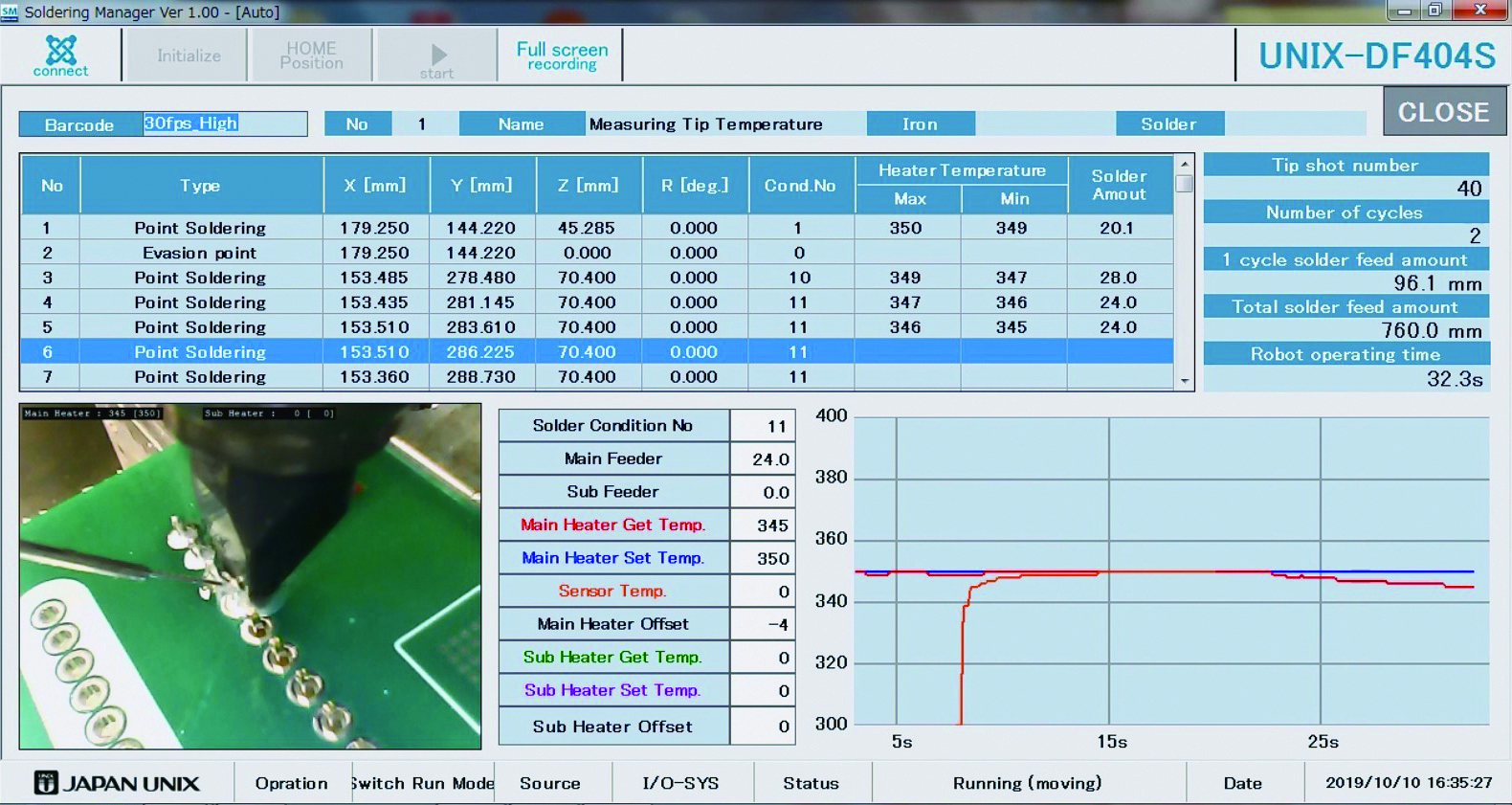
Monitoring temperature behavior and program execution can help detect anomalies and notify errors. By connecting to Internet/intranet, notifications can be sent to registered email addresses for faster response. Data can be exported as CSV for analysis and continuous improvement. Advanced management software “Soldering Manager” (paid version) is also available.
5. Managing invisible defect modes
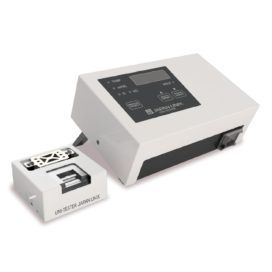
UNI-TESTER compatible (optional)
To maintain stable soldering quality, not only measuring tip temperature, but also measuring tip leakage voltage and ground resistance is important for process control.
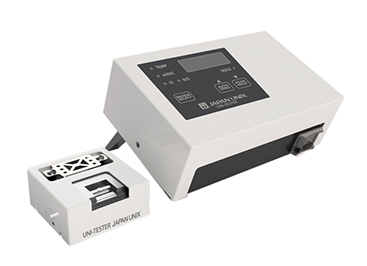
Tip temperature instability affects solder joint finish. Leakage and transient voltages can damage components internally. From a device-protection viewpoint, resistance between tip and ground must be measured and secured. UNI-TESTER compatible with IEC-61191-1 (Ed3 / 2018) and IPC J-STD-001G enables measurement and automatic tip temperature offset.
Configuration
Standard Configuration (Iron Tip Soldering)
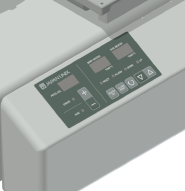
Onboard controller
Controls robot and soldering operation.
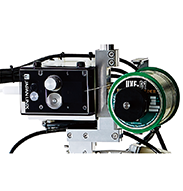
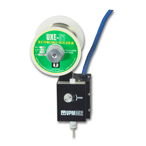
High Precision solder feeder
Easy to change solder reel.
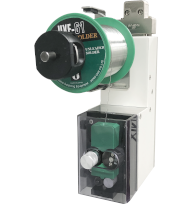
Patented
Clean-cut feeder
Reduces flux splatter and solder balls
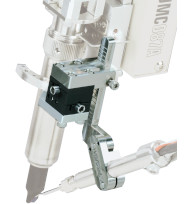
Patented
Lock-on mechanism
Ensures steady feeding position and prevents slippage
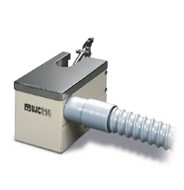
Iron tip cleaner
Air blower type
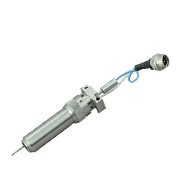
Heater and temp. regulator for robotics
Special heater and temp. regulator with CA sensor
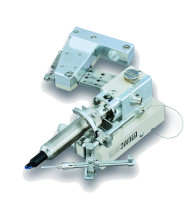
Patented
Soldering head
Easy to replace tips and heater within 1 minute.
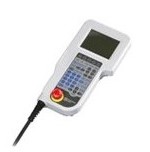
Teaching pendant
Easy control and configuration
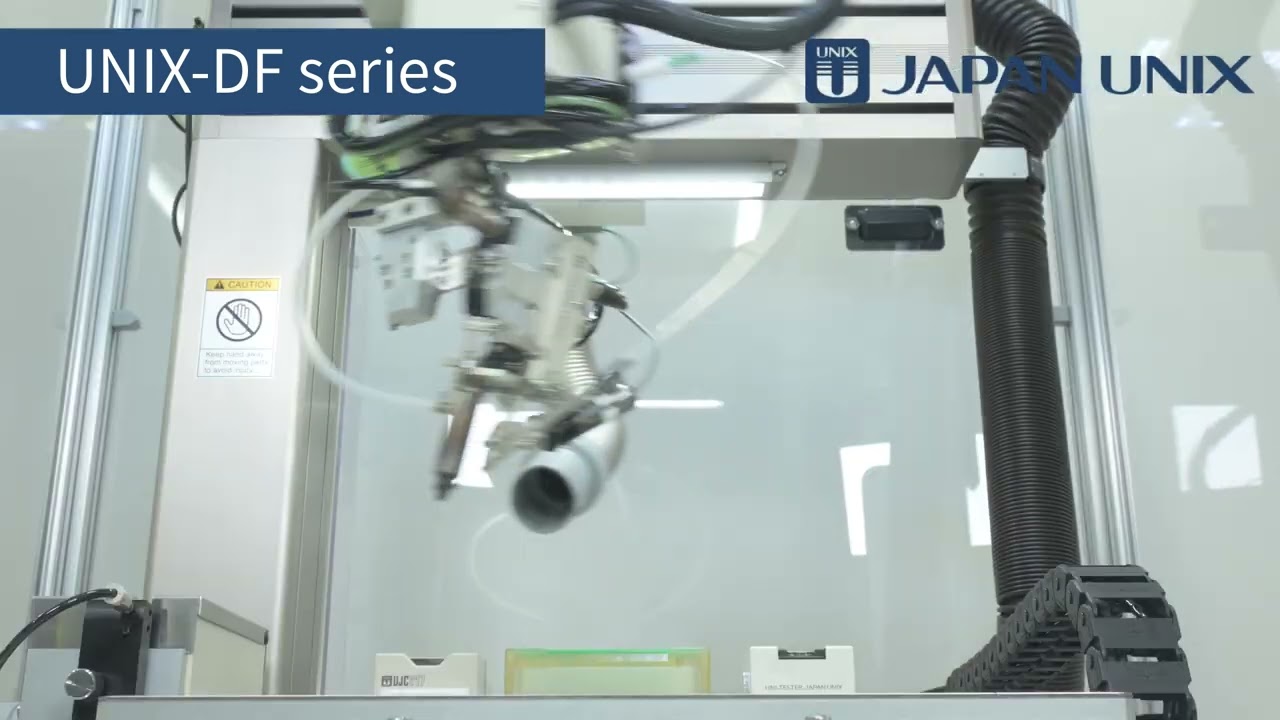
Reference Videos
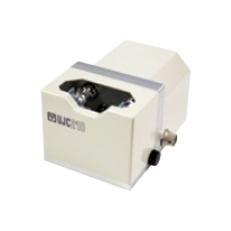
Option
Combining add-on functions to make processes faster, shorter, and higher quality.
Three Methods to Choose From
Safe and reliable construction methods backed by tradition

Tip soldering has the longest history and is an established technology in reliability. Modern applications require deeper soldering theory and techniques for difficult cases.
The latest soldering method attracting global attention.
Laser soldering is not a direct substitute for tip soldering because the heating mechanism differs. To gain full benefits, understanding characteristics and proper handling is vital.
Ultrasonic enables soldering even on glass or ceramics

Conventional soldering bonds solder with metallic substrate. Ultrasonic enables bonding on glass or non-metallic materials.